The Gig Economy Finally Got Its Rights — Too Bad Your Marriage Didn't Get the Same Memo
The Gig Economy Finally Got Its Rights — Too Bad Your Marriage Didn't Get the Same Memo My neighbour Dave drives for Uber on weekends. Not because he's broke, but because, as he puts it, "Sandra doesn't let me leave the house otherwise." He
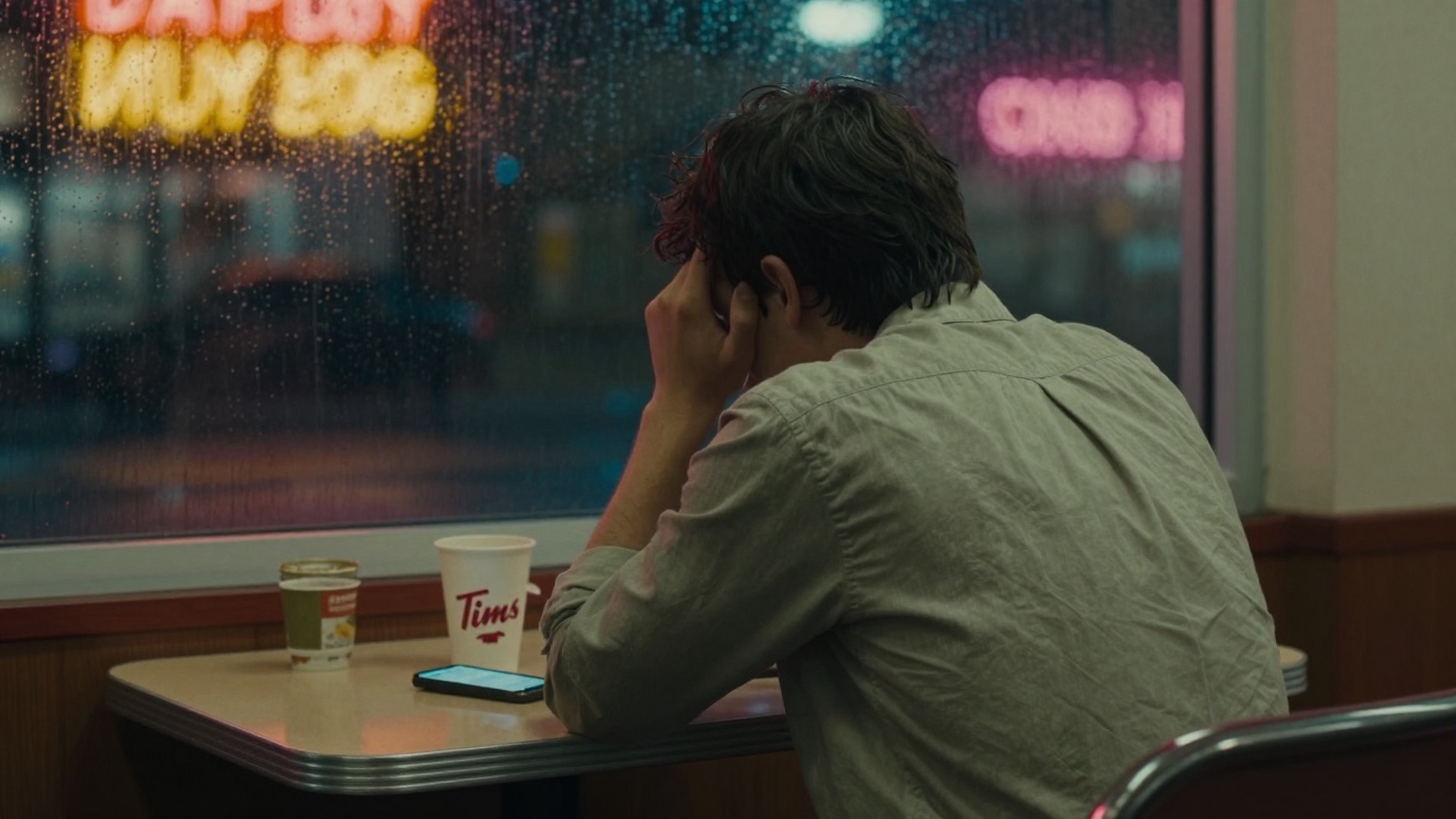
My neighbour Dave drives for Uber on weekends. Not because he's broke, but because, as he puts it, "Sandra doesn't let me leave the house otherwise." He shows up at my door sometimes with leftover Tim Hortons and stories about passengers who treated him like furniture. No benefits. No sick days. No "good morning." Just a star rating and a wave goodbye.
Last week the International Labour Organization — the ILO, Geneva's slow-moving but occasionally brilliant global watchdog — adopted the world's first treaty protecting platform and gig workers. We're talking Uber drivers, DoorDash riders, TaskRabbit handypeople, the whole exhausted army of people who get paid per task and disappeared between jobs like they never existed.
And I read this and thought: huh. That's basically how most affairs work.
Stay with me here.
The gig economy's core problem, the one the treaty is trying to fix, is that the people doing the work have zero protection, zero recognition, and zero security. They're available when needed, invisible when not. Sound familiar? Because that's the exact arrangement half the "other people" in affairs are living under, except nobody's filing a treaty on their behalf at a UN agency in Switzerland.
But I'm getting ahead of myself.
The treaty — officially adopted at the ILO's annual conference in June 2025, with Canada among the countries pushing it forward — sets out minimum standards. Fair pay. Safe working conditions. The right to organize. The basic dignity of not being treated like a human vending machine someone kicks when it doesn't dispense fast enough.
Here's the holy shit moment: it took over a hundred years of the ILO existing before someone thought to protect the people who do work without a contract. A hundred years. The gig economy as we know it has existed for maybe fifteen years, and still the protections almost didn't happen because a handful of countries — you can guess which ones — kept arguing it would "disrupt innovation."
Innovation. That's the word powerful people use when they mean "our profits."
Dave told me once that after a particularly brutal Saturday night shift — drunk passengers, wrong addresses, one guy who puked in the back seat and then gave him two stars — he made $11.40 an hour after Uber took its cut. He went home, Sandra was asleep, and he sat in the driveway for twenty minutes because he didn't know what else to do with himself.
That's not a gig. That's a slow erosion of a person.
What the ILO treaty does, practically speaking, is force governments to actually look at this arrangement and ask: is this employment or isn't it? Because the platforms have been playing both sides for years. When it's convenient, gig workers are "independent entrepreneurs." When a worker needs a sick day or gets injured, suddenly they're "not our employee." Pick a lane, Sandra.
Canada's been wrestling with this domestically for a while — Ontario, BC, and Quebec have all been dancing around classification rules — and the treaty gives advocates the international ammunition to push harder at home.
Now here's where I'll give you something useful, because that's why you're here.
If you work gig economy jobs, or know someone who does, this treaty matters even if it takes years to filter down into Canadian law. Treaties create pressure. Pressure creates legislation. Legislation creates rights. It's slow, it's frustrating, and yes, you'll still be waiting forty minutes for someone to rate your driving four stars because their Pad Thai was slightly cold when it arrived. But the direction changed this month, and direction matters.
And if you're in a relationship — or navigating around the edges of one — take the larger lesson here too. The gig economy got into trouble because one party held all the power and the other had none, and everyone agreed to pretend that was fine until it obviously wasn't. That model collapses eventually. Always.
Whether it's a Uber driver in Mississauga or someone waiting by their phone at 11pm hoping for a text that isn't coming — people without protection, without recognition, without basic dignity — they don't stay invisible forever.
Dave got a new dashcam last month. "Evidence," he said, completely seriously.
Smart man.
Protect yourself, know your worth, and for the love of God, read the terms before you agree to anything.