The Fixer-Upper Is Dead and Frankly, So Is Your Marriage's "Potential"
The Fixer-Upper Is Dead and Frankly, So Is Your Marriage's "Potential" I watched a couple gut a 1962 rancher on HGTV once and thought, that's exactly what I did with my husband — bought something with "good bones" and figured twenty years o
I watched a couple gut a 1962 rancher on HGTV once and thought, that's exactly what I did with my husband — bought something with "good bones" and figured twenty years of sweat equity would turn it into a dream home. Spoiler: some houses aren't worth saving, and neither are some marriages you keep telling yourself just need "the right updates."
KXLY ran a piece this week about America falling out of love with fixer-uppers. Turns out interest rates, labor costs, and the sheer exhaustion of doing everything yourself have finally caught up with us. For fifteen years we all watched Chip and Joanna rip out a wall and discover original hardwood like it was a religious experience, and we bought in. We bought old, ugly, structurally questionable houses because we believed in potential. We believed elbow grease and a weekend at Home Depot could fix anything.
Now people are looking at move-in ready listings and going, actually, no. I'd rather pay more and not spend three years living with a tarp over my kitchen.
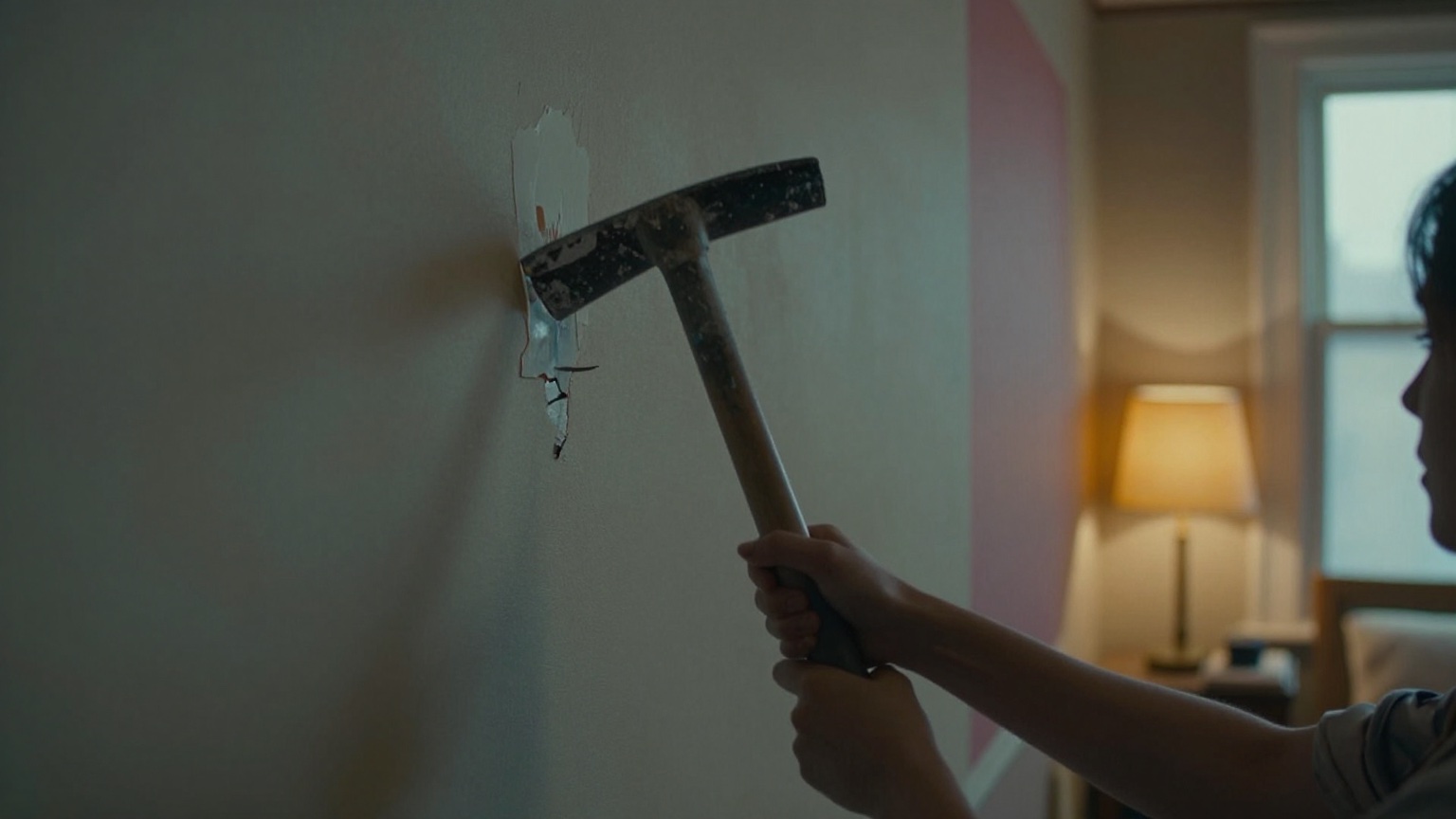
Here's my holy shit moment for you: I did the exact same math with my marriage for nine years before I had an affair, and nobody wrote an article about that shift in real time. I looked at my husband the way I looked at that rancher — good bones, decent foundation, needs work, and I convinced myself the work was romantic. I told my girlfriends "we're just going through a phase" the same way house flippers say "it just needs cosmetic updates" right before they find out the whole electrical system is knob-and-tube from 1954 and now they're $60,000 deep with no bathroom.
You know what a fixer-upper marriage actually costs? Not money. Time. Years of it. Years spent doing the emotional labor equivalent of ripping out drywall by yourself at midnight while your contractor — your husband — sits on the porch telling you it looks great from where he's standing.
And here's what the article gets right that nobody wants to say out loud about relationships: sometimes the "good bones" were never that good. Sometimes you wanted so badly to see potential that you ignored the foundation crack running straight through the living room. I did that. I stared at nine sexless years and called it a rough patch instead of calling it what it was — structural.
The women flooding back to move-in-ready listings aren't lazy or spoiled. They're tired. They watched their friends pour a decade into a farmhouse renovation only to sell at a loss because the market changed and the "character" they fell in love with turned out to be termites. That's not failure, that's math finally winning an argument with nostalgia.
So here's my actual advice, and it applies whether we're talking about a house or a husband: do the inspection first. Before you commit to "fixing it up," find out what's actually wrong under the surface, not what you're hoping is wrong. A sagging porch is fixable. A cracked foundation is a different conversation entirely. In a marriage, that means an honest gut check — is this a communication problem I can renovate with better habits, or is this a foundational issue, like a decade of no sex and zero appreciation, that no amount of "date night effort" is going to patch?
If it's fixable, fix it, and stop romanticizing the process while you're at it — sweat equity isn't sexy, it's just work.
If it's not fixable, stop pouring money and years into something you already know in your gut is a teardown. Sell the fixer-upper. Or find yourself a nice, low-maintenance affair that doesn't need any renovation at all — trust me, move-in ready is underrated in every part of life, not just real estate.