"I Didn't Legitimize Cheating" Says the Director of the Cheating Show
"I Didn't Legitimize Cheating" Says the Director of the Cheating Show A Bollywood director just released a show called *Pati Patni Aur Woh Do* — "Husband, Wife, and the Other Two" for the non-Hindi speakers in the room — and then sat down w
A Bollywood director just released a show called Pati Patni Aur Woh Do — "Husband, Wife, and the Other Two" for the non-Hindi speakers in the room — and then sat down with a reporter to explain that he never, not once, legitimized infidelity. He said that. Publicly. On the record.
Okay, my guy.
For anyone not lost in the Bollywood rabbit hole, Pati Patni Aur Woh is a 1978 classic about a husband who has an affair. It's been remade and referenced more times than a wedding playlist. The new "Do" version flips the premise — now both the husband AND the wife have something going on the side. You know. Because equity.
And yet the director went on record with NewsBytes explaining that he never meant to legitimize adultery.
Right.
Here's the thing that actually stopped me: he felt the need to say it at all. That's the moment. Nobody announces what they didn't do unless they did it, or at minimum, suspect they did it. It's the same logic as the husband who blurts out "I wasn't at her apartment, I was at Dave's" before you've asked a single question. The unprompted denial is always the tell. I've never once seen a chef on a cooking show pause to clarify that he doesn't endorse gluttony. You only defend yourself against an accusation that already exists.
In this case? Nobody was accusing him of anything. Until he opened his mouth.
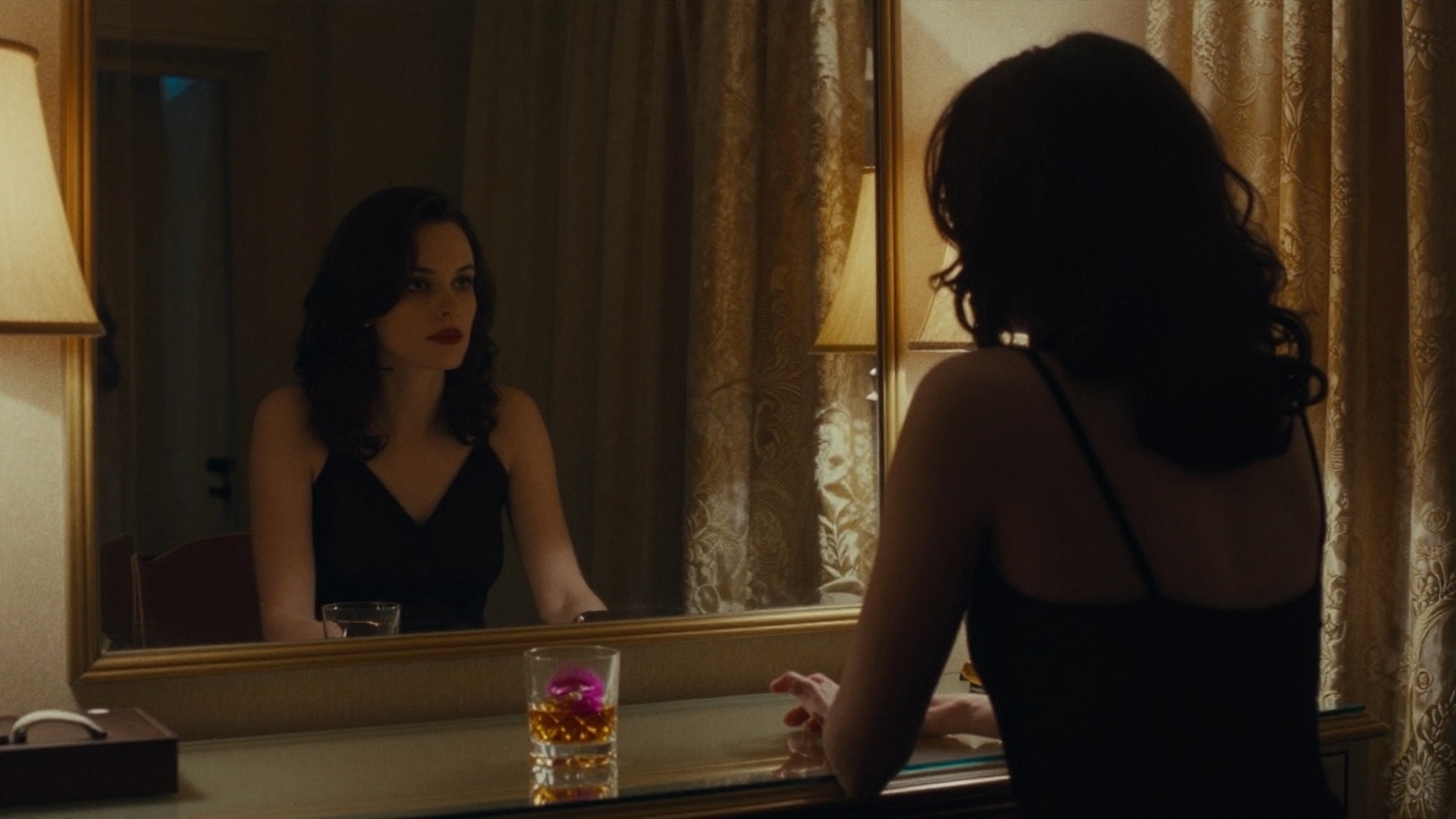
The question now floating over the entire production is what, exactly, does he think he made? Because the show is literally about two married people who are both sleeping with other people. The whole premise is a giant shrug at monogamy, dressed up in good lighting and a romantic soundtrack. If that's not at least a gentle endorsement of stepping outside the marriage, I don't know what is.
You want to know what actually de-legitimizes infidelity in a story? Make the affair partner a manipulative disaster. Give someone an STI. Show the kids figuring it out. End the whole thing in a lawyer's office with both parties looking like absolute garbage. Did this director do any of that? I'm betting no. I'm betting there was a Goa scene. There's always a Goa scene.
This is the thing that drives me crazy about entertainment. Directors and writers spend years crafting stories about people who cheat — give the affair partners all the best lines, the best lighting, the most magnetic qualities — and then sit in a press junket solemnly explaining they weren't trying to make it look good. Pick one. You really can't have both.
Here's what I know after writing about adultery for years: cheating doesn't need a Bollywood director to legitimize it. People have been having affairs since the beginning of recorded human history. Ancient Roman poets basically had subscription plans for side pieces. The Bible has more affairs than a daytime soap. Humans were stepping out long before anyone made a movie about it, and they will still be doing it long after the streaming rights on this show expire.
Art doesn't create the impulse. It just shows us ourselves. If a wife watches this show and thinks "yeah, I kind of get that feeling," the director didn't plant that thought. It was already there, growing in the silence between her and her husband at dinner.
So maybe the real question isn't whether Pati Patni Aur Woh Do legitimizes anything. Maybe the real question is why we're still so committed to pretending that adultery is something that happens over there — in other countries, other neighborhoods, other marriages. It happens on your street. Maybe in your house. The director knows that, which is probably why he made the show in the first place.
Here's the takeaway, and this applies equally to filmmakers and to the actual cheaters reading this:
Stop apologizing for the thing while still cashing the checks. If you made a show about two people sleeping outside their marriage, that's what you made. Own it. The audience who connects with it — and there will be plenty — doesn't need your moral footnote at the end.
And for those of you actually living the plot of this show right now: take the director's nervous little disclaimer as a lesson. The people who get caught cheating aren't always caught in the act. They get caught because they contradict themselves, explain too much, protest too loudly.
Don't be that person. Commit to the story or don't tell it.